Is specialization the inevitable path for auto repair shops? Chris Fraser, co-owner of TLS Motorworks, thinks it may be both the cause and the solution of the industry’s reshaping. For years, his shop has worked exclusively on Japanese and hybrid vehicles, and more recently on electric vehicles.
In episode 113 of Maximum Octane, Chris shares his journey, why specialization matters, the challenges and opportunities in the EV market, his approach to marketing and customer service, and whether shops are ready for the changes ahead.
What You Will Learn
- A bit about Chris’ journey in the automotive industry
- Why can specialization be crucial in the automotive industry
- About the challenges and opportunities in the EV market
- Chris talks about his unique approach to marketing and customer service
- Are auto repair shops ready to adapt to the changes in the industry?
- Conclusion and takeaways
Chris’s Journey in the Automotive Industry
Chris opens with his more than two decades in the industry. His path led him to focus on specific makes and technologies rather than trying to serve every vehicle. That decision shaped his shop’s identity, training, and customer base.
A long career in the industry gives a shop owner the chance to see trends develop over time. Owners who have watched vehicles move from simple mechanical systems to networked computers on wheels often recognize that trying to be everything to everyone becomes harder each year. Choosing a focus can be a response to that complexity, allowing a shop to stay current on a narrower set of vehicles instead of falling behind on many.
That kind of decision also shapes hiring. Technicians who are passionate about a particular make or technology are often drawn to shops that share that interest, which helps build a team with deep, shared expertise.
Why Specialization Can Be Crucial
Around the 6 minute mark, Chris explains why specialization matters. Vehicles are more complex than ever, and no shop can be an expert on everything. Specializing allows a shop to invest deeply in training, tools, and information for a defined set of vehicles. That depth leads to faster, more accurate diagnosis and repairs, and it gives customers a clear reason to choose you.
Kirk Mize and Jesse Meddaugh make a similar point about focus in How to Choose the Perfect Software for Your Auto Shop, and Aden McDonnell describes building a brand around transmission work in When Rebranding Is the Only Way to Keep Growing.
Specialization does not always mean turning away every vehicle outside the focus. Some shops specialize by make, others by system (such as transmissions, diagnostics, or electrical), and others by customer type, such as fleets. The common thread is a deliberate decision about where to invest in training, tools, and information so the shop can deliver results general shops struggle to match.
There are trade-offs. A specialized shop may have a smaller pool of potential customers in its immediate area, and it may need to draw people from farther away. Strong reputation, clear marketing, and excellent customer service help offset that.
Challenges and Opportunities in the EV Market
Chris discusses the realities of working on electric vehicles. EVs require high-voltage safety training, specialized equipment, and access to manufacturer information. They also have fewer traditional maintenance needs, which changes the revenue model for shops. At the same time, as more EVs reach the end of warranty coverage, independent shops with EV expertise will be in demand.
The U.S. Department of Energy’s Alternative Fuels Data Center provides background on EV adoption and infrastructure. Training through organizations like ASE, which offers certification for electrified vehicles, helps shops prepare.
High-voltage safety is the first consideration for any shop working on electric or hybrid vehicles. Technicians need proper training, insulated tools, personal protective equipment, and clear procedures for isolating high-voltage systems before work begins. Facilities may also need designated areas for EV work and plans for handling damaged batteries.
The opportunities are significant for shops that prepare. EV and hybrid owners still need tires, brakes, suspension, cabin and thermal system service, and diagnostics. As more vehicles leave factory warranty, owners often look for independent shops they trust, and a shop with demonstrated expertise has a strong advantage.
Adapting to Lower-Maintenance Vehicles
Chris also addresses how shops can adapt as manufacturers push toward vehicles that need less maintenance. Fewer oil changes and traditional services mean shops must find value elsewhere: diagnostics, battery and thermal systems, ADAS, tires, suspension, and customer service. Shops that cling to the old service mix may see car count decline.
Shops that have relied heavily on oil changes and routine fluid services to drive car count will feel the shift most. One approach is to strengthen the vehicle inspection process so every visit, even for tires or a software update, includes a thorough check of other systems. Another is to invest in diagnostic capability, since complex electronic issues are likely to make up a larger share of work.
Building relationships matters more when visits are less frequent. Regular communication, helpful maintenance reminders, and outstanding service keep customers connected to the shop between appointments.
A Unique Approach to Marketing and Service
Around the 14 minute mark, Chris shares his approach to marketing and customer service. A specialized shop can speak directly to a specific audience, such as owners of certain makes or hybrid drivers, with messages that general shops cannot match. That clarity makes marketing more effective.
ATI’s The Key to Attracting Your Ideal Customer explores how focus improves marketing.
Specialized shops can create marketing that speaks the language of their customers. A shop that focuses on hybrids, for example, can publish helpful content about hybrid battery care, explain common issues on popular models, and show photos of the specialized equipment it uses. That kind of material builds credibility and helps the shop appear in searches from people looking for exactly that expertise.
Customer service reinforces the message. When customers feel the shop truly understands their vehicle, they are more likely to trust recommendations and tell other owners of similar vehicles.
Are Shops Ready for Change?
Chris asks whether repair shops are ready to adapt to the changes in the industry. His view is that shops that invest in training, tools, and a clear focus will thrive, while those that wait may struggle.
Readiness is about more than buying equipment. It includes the willingness to invest in ongoing training, update business models, and rethink which services the shop offers. Owners who plan ahead can make gradual changes, such as sending one technician for hybrid training this year and adding EV-related equipment next year, instead of scrambling when demand arrives.
Shops that wait often find that the learning curve is steeper and that customers have already found another shop that was ready for them.
Common Mistakes When Specializing
Specialization can strengthen a shop, but it requires careful execution. One common mistake is narrowing the focus before there is enough local demand to support it. Reviewing past repair orders and local vehicle registrations helps confirm whether a niche is large enough.
- Announcing a specialty without the training and tools to back it up.
- Failing to update the website and Google Business Profile to reflect the focus.
- Turning away loyal customers abruptly instead of transitioning gradually.
- Investing in EV equipment without a high-voltage safety plan.
- Relying on one technician for all specialized knowledge.
How to Start Moving Toward a Specialty
Shops do not need to make an overnight change to benefit from specialization. A practical first step is to review the last year of repair orders to identify which vehicles and services were most profitable and where the shop already has an edge. From there, owners can decide whether to deepen that strength or build a new one.
Next steps often include targeted training for one or two technicians, investing in the information systems and tools needed for the chosen focus, and updating marketing to speak directly to the target customers. Tracking how the specialized work grows over several months shows whether the strategy is working and where to adjust. Talking with other owners who have made a similar move can also help avoid expensive missteps.
Specialization Questions for Your Shop
- Which vehicles or services make up the most profitable part of your business?
- Where do you have deeper expertise than competitors?
- What would it take to serve hybrid and electric vehicles confidently?
- How would your marketing change if you specialized?
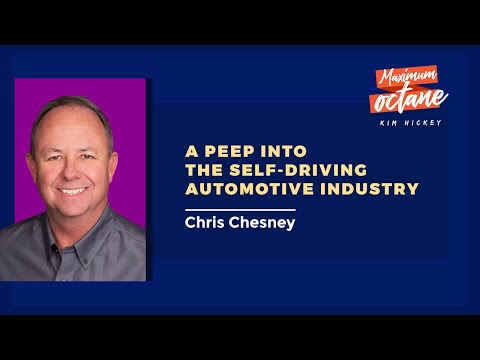
Chris Chesney discusses preparing for new technology in A Peek Into the Self-Driving Automotive Industry.
Frequently Asked Questions
Should my auto repair shop specialize in certain makes or services?
Specialization can help a shop stand out, deepen expertise, and improve diagnostic accuracy, but it depends on your market. Review your past repair orders to see which vehicles and services are most profitable, and check whether local demand supports a narrower focus. Many shops start by building a strong specialty while still serving existing customers, then shift their marketing and training toward that focus over time.
What does an independent shop need to start working on electric vehicles?
Shops typically need high-voltage safety training for technicians, insulated tools and personal protective equipment, access to manufacturer service information, appropriate diagnostic equipment, and clear procedures for safely isolating high-voltage systems. Some also designate a dedicated area for EV work. Certification programs, such as ASE’s electrified vehicle tests, help technicians build and demonstrate competence. Start with training and safety before buying specialized equipment.
How will electric vehicles affect auto repair shop revenue?
EVs have fewer traditional maintenance needs, such as oil changes, so shops that rely on those services may see fewer routine visits. However, EVs still need tires, brakes, suspension, thermal and cabin system service, ADAS work, and diagnostics. As more EVs leave warranty, demand for qualified independent shops is expected to grow. Shops that train early and adjust their service mix are better positioned.
How can a specialized auto shop market itself effectively?
Speak directly to your target customers. Use your website, Google Business Profile, and social media to highlight the vehicles and services you focus on, explain common issues, and show your training and equipment. Helpful educational content builds credibility and attracts people searching for your specialty. Encourage satisfied customers to leave reviews that mention their vehicle type, and connect with local owner clubs or communities.
Can a general repair shop still compete as vehicles become more complex?
Yes, but it requires ongoing investment in training, diagnostic tools, and service information. General shops can still develop areas of deeper expertise within a broad offering, such as diagnostics or hybrid service, and refer out work they cannot do well. Strong customer service, clear communication, and thorough inspections help general shops stay competitive while they decide whether a more defined focus makes sense.