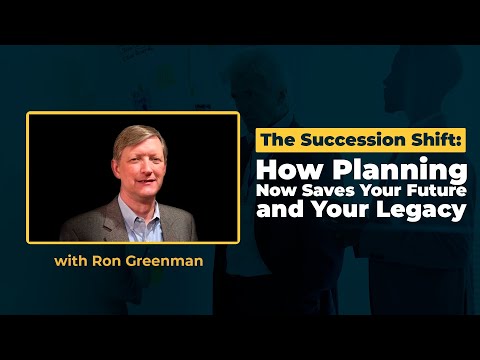
Many shop owners have a retirement plan that amounts to leaving the business “feet first.” It is technically a plan, but not a good one. Retirement may feel far away, but it is coming, and it is not cheap. In episode 49 of Maximum Octane, Jim Groves joins Kim Hickey to talk about the endgame, a subject many business owners would rather avoid.
Jim is a sales manager, senior business consultant, and instructor at ATI with more than 25 years in the automotive industry. He explains why retirement planning belongs in daily operations, why “later” is a costly mistake, and how inflation can quietly undermine your future.
This article is for general education only and is not financial advice. Talk with a qualified financial planner about your situation.
What You Will Learn
- How prepared are we for retirement?
- Leaving your business feet first is not a really good plan
- Who will pay for your hobbies when your business’ revenue is not there?
- Retirement might be closer than you think
- When is the best time to start putting money aside for your retirement
- Have you thought about what a dollar from today will buy in 15, 20 years?
- Ignorance about retirement is not bliss
How Prepared Are You for Retirement?
Jim opens with a direct question: how prepared are you for retirement? For many owners, the business is their largest asset and their retirement plan. That can work, but only if the business is valuable to someone else and the owner has planned how to turn it into income.
ATI’s 5 Things to Consider Before Retiring From Your Auto Shop and Ready to Retire? Not So Fast are good places to start.
Many shop owners plan to fund retirement through the sale of their business. That plan depends on the business being sellable at a good price, which requires strong financials, documented systems, a capable team, and reduced dependence on the owner. Owners who assume their business will automatically fund retirement may be disappointed if it is not attractive to buyers. Diversifying retirement savings beyond the business reduces that risk.
Feet First Is Not a Plan
Around the 4 minute mark, Jim explains why working until you die is not a real retirement plan. It leaves your family, employees, and customers in a difficult position, and it often means the business loses value quickly when the owner is gone. A planned transition protects everyone.
Working until the end may seem like a personal choice, but it affects many other people. Employees may lose their jobs if the business closes suddenly. Family members may face difficult decisions without guidance. Customers may lose a trusted provider. Planning for retirement, even if the owner intends to work for many more years, protects everyone who depends on the business.
A practical first step is writing down what would happen if you could not come in tomorrow. Who signs checks? Who has the passwords to the shop management system, the bank accounts, and the vendor portals? Who talks to the landlord? Owners who answer these questions honestly often discover that the business depends on them in ways they never noticed. Documenting those answers, and sharing them with a spouse, a trusted manager, or an attorney, turns an unspoken assumption into a plan the people around you can actually follow.
Who Will Pay for Your Hobbies?
Jim asks a question many owners have not considered: who will pay for your hobbies when the business revenue is no longer there? Travel, golf, fishing, cars, and time with grandchildren all cost money. Owners who have spent decades reinvesting in the business may find that their personal savings are much smaller than they expected.
Healthcare is another significant retirement expense. Medicare eligibility generally begins at age 65, and owners who retire earlier need a plan for coverage. Even with Medicare, out-of-pocket costs for premiums, prescriptions, and services can be substantial. Factoring healthcare into retirement planning helps avoid unpleasant surprises.
Retirement Is Closer Than You Think
Around the 13 minute mark, Jim reminds listeners that retirement might be closer than it appears. Health changes, family needs, or simple burnout can shorten a career unexpectedly. Planning early creates options.
Life events can shorten careers unexpectedly. Health problems, injuries, family needs, or simple burnout can force owners to step away earlier than planned. Having a plan in place, including savings, a successor, and documented systems, gives owners options if that happens.
When to Start Saving
Jim discusses the best time to start putting money aside for retirement. The short answer is now. The longer money has to grow, the less you need to contribute. Small business owners have access to several types of retirement plans, which the IRS outlines on its types of retirement plans page. A financial planner or CPA can help you choose the right one.
The power of compound growth makes early saving especially valuable. Money invested earlier has more time to grow, which means smaller contributions can produce larger results. Even owners who start later can benefit from catch-up contributions allowed in many retirement plans for people over age 50. A financial planner can help owners choose the right plan and contribution levels.
What Will a Dollar Buy in 20 Years?
Around the 24 minute mark, Jim raises the impact of inflation. A dollar today will buy less in 15 or 20 years. Retirement plans that ignore inflation can fall short. The U.S. Bureau of Labor Statistics offers a CPI inflation calculator that shows how purchasing power has changed over time.
Inflation steadily erodes purchasing power. Even modest annual inflation can significantly reduce what a fixed sum of money will buy over two decades. Retirement plans should account for this by assuming expenses will rise over time and investing in ways that aim to keep pace with inflation.
Ignorance About Retirement Is Not Bliss
Jim closes with a simple message: ignorance about retirement is not bliss. Avoiding the topic does not make it go away. It only reduces your options. Facing it now, with clear numbers and professional advice, gives you control over how your career ends.
Many owners avoid retirement planning because it feels overwhelming or uncomfortable. Breaking it into steps helps: calculate current savings, estimate future needs, get a business valuation, consult a financial planner, and set a timeline. Each step reduces uncertainty and builds confidence about the future.
One common mistake is assuming that a retirement number is something only a financial planner can figure out. Owners already know a lot: what they spend each month at home, what the house still owes, what hobbies they want to pursue. Writing those figures down before the first meeting with a planner makes the conversation faster and far more useful. It also shows quickly whether the gap between what you have and what you need is small enough to close with steady saving or large enough that the business itself has to become more valuable.
Building a Business That Funds Retirement
The best way to ensure a business supports retirement is to build it with that goal in mind from the start. That means keeping clean financial records, building a strong team, documenting processes, and reducing the owner’s personal involvement over time. These steps make the business more profitable today and more valuable to a buyer or successor tomorrow.
ATI coaches often work with owners on exactly these issues, helping them build businesses that can eventually run, or be sold, without them. Jim’s message is that the time to start is now, not when retirement is just around the corner.
Retirement Planning Checklist for Shop Owners
- Estimate how much income you will need each year in retirement.
- Get a realistic valuation of your business.
- Set up a retirement plan and contribute consistently.
- Decide who could buy or run the business, and start developing them.
- Meet with a financial planner and CPA at least once a year.
For more on exit and succession planning, listen to Your Exit Plan Isn’t a Back-Burner Task, The Succession Shift, and Eric Goodnoe in How Ready Are You for Your Business’ Succession.
Frequently Asked Questions
How much do I need to retire as an auto repair shop owner?
There is no single number, because it depends on the lifestyle you want, your health care costs, how long you expect retirement to last, and whether you will have income from selling the business. A good starting point is to list your expected yearly expenses in retirement, then account for inflation over the years between now and then. A financial planner can turn those figures into a savings target and show whether your current pace will get you there.
Can I count on selling my shop to fund my retirement?
Selling the shop can be a major part of a retirement plan, but it is risky to make it the only part. The price a buyer will pay depends on profitability, clean financial records, a stable team, and how much the business relies on the owner. If those pieces are weak, the sale may bring in less than expected or take longer to complete. Saving outside the business provides a cushion if the sale falls short.
What retirement plans are available to small business owners?
Small business owners can typically choose from options such as SEP IRAs, SIMPLE IRAs, solo 401(k) plans for owners without employees, and traditional 401(k) plans. Each has different contribution limits, administrative requirements, and rules about covering employees. The IRS publishes an overview of these plan types, and a CPA or financial planner can help you compare them based on your income, your team size, and how much you want to contribute each year.
Is it too late to start saving for retirement in my 50s?
It is not too late, though the plan may need to be more aggressive. Many retirement plans allow catch-up contributions for people age 50 and older, which lets you put more away each year. Owners in this stage often combine higher savings with work to raise the value of the business, such as improving profitability and reducing their personal involvement. Working with a planner helps you set realistic targets and decide when stepping back is possible.
How does inflation affect my retirement planning?
Inflation reduces what each dollar can buy over time, so a retirement budget that looks comfortable today may fall short in 15 or 20 years. Groceries, insurance, health care, and travel will almost certainly cost more by the time you retire. Good retirement plans assume rising expenses and use investments intended to grow faster than inflation. Reviewing your plan every year keeps those assumptions current as prices and your goals change.
Resources and Links From This Episode
Connect With the Guests
- Jim: LinkedIn