The world can feel like a hostile place, but some stories remind us how much good there is. Lee Anderson, service manager at Integrity Auto Care in South Beloit, Illinois, shares one of those stories in this special episode of Maximum Octane.
After struggling with infertility for more than 15 years, Lee and his wife, Brittany, welcomed their son, Asher, through adoption. In episode 61, Lee tells Kim Hickey about their journey, the exhausting process of matching with birth mothers, the risks of going it alone, how to avoid scams, and the difference between open and closed adoption.
What You Will Learn
- A bit about Lee and his wife’s background story
- The excruciating process of “speed dating” birth mommas
- Lee and Brittany get their miracle from God
- Lee’s advice for parents seeking to adopt a child
- What to avoid when thinking of adopting
Lee and Brittany’s Story
Lee begins with the background of his and Brittany’s journey. Fifteen years of infertility is a long time to hope, wait, and grieve. Their story is one many couples will relate to, and Lee’s openness about it is a gift to anyone going through something similar.
Infertility affects many couples and often involves years of medical appointments, hope, and disappointment. Because it is rarely discussed openly, people going through it may feel isolated. Lee’s willingness to share his story helps others feel less alone and opens space for conversations that can provide support.
Stories like this also remind leaders that the people working in a shop bring their whole lives to work. A service manager who is calm with an upset customer may be carrying years of private disappointment. Recognizing that everyone has a story, even when they do not share it, encourages patience and kindness on the shop floor and at the counter. It is a perspective that makes teams stronger and workplaces more humane.
The Process of Matching With Birth Mothers
Around the 8 minute mark, Lee describes what he calls the “speed dating” process of meeting birth mothers to find the right match. It can be emotionally draining. Families put themselves forward, hope for a connection, and often face disappointment before the right match comes along.
Matching in private adoption often involves creating a family profile, waiting to be selected by expectant parents, and meeting to see if the relationship is a good fit. The process can be emotionally intense, with periods of hope and uncertainty. Support from agencies, counselors, and other adoptive families helps couples navigate it.
Couples going through this process often find that the waiting is the hardest part. Days can pass without news, followed by a sudden call that changes everything. For working parents-to-be, that unpredictability can make planning difficult. Employers who understand the process can help by allowing flexible schedules and short-notice time off. Knowing that their job is secure if they need to leave quickly gives hopeful parents one less thing to worry about.
Their Miracle From God
Lee shares the moment he and Brittany received their miracle: their son, Asher. It is the emotional heart of the episode and a reminder of why they kept going through years of uncertainty.
For many adoptive families, the moment of placement is one of the most profound experiences of their lives. It often comes after years of waiting and represents both joy and deep responsibility. Lee’s story captures that emotion and the gratitude that followed.
Advice for Parents Seeking to Adopt
Around the 17 minute mark, Lee offers advice for parents considering adoption. He discusses adoption requirements, the importance of working with reputable professionals, and how to prepare for the emotional ups and downs. He also explains the difference between open and closed adoptions, which affects the relationship between the adoptive family and the birth family.
The Child Welfare Information Gateway, a service of the U.S. Department of Health and Human Services, offers reliable information on adoption types, the process, and support for families.
Families considering adoption have several paths, including domestic infant adoption, adoption from foster care, and international adoption. Each has different requirements, costs, and timelines. Researching options, attending informational sessions, and speaking with families who have adopted can help couples decide which path fits them best.
Preparing for adoption also involves practical steps that can feel overwhelming at first, such as home studies, background checks, paperwork, and financial planning. Breaking the process into smaller steps and keeping organized records helps. Many families also find it valuable to connect with adoption support groups, where they can ask questions and hear from people who have gone through the same experience. That community can provide encouragement during long stretches of waiting.
What to Avoid
Lee closes with what to avoid when thinking about adoption. He discusses the risks families may face if they pursue adoption on their own without proper guidance, including the possibility of being scammed. Working with licensed agencies and attorneys, and being cautious about anyone asking for money up front, helps protect families during an already vulnerable time.
Adoption scams can target hopeful families through fake profiles, requests for money, or promises of quick placements. Working with licensed agencies and attorneys, verifying information, and avoiding anyone who pressures for upfront payments outside formal processes help protect families. Reputable professionals provide transparency about costs and procedures.
The Power of Sharing Personal Stories
Personal stories like Lee’s create connection in workplaces and communities. When leaders and employees share their experiences, others feel safer opening up about their own challenges. That openness builds trust and empathy, which strengthens teams and improves how people support one another.
Not everyone will want to share personal details at work, and that choice should be respected. But creating a culture where people know they can share, and will be met with kindness, makes a workplace more human. Lee’s openness in this episode is an example of the kind of courage that helps others feel less alone.
Supporting Adoptive Parents at Work
Adoptive parents face many of the same demands as any new parents, such as sleepless nights, new routines, and the need for time to bond, along with some unique ones. Court dates, agency meetings, and travel can arise with little notice. A shop that plans for these possibilities, by cross-training team members and keeping schedules flexible, can support an employee without disrupting service to customers.
Simple gestures matter too. Acknowledging the adoption with the same warmth as any other new arrival, sending a card or gift from the team, and checking in when the employee returns all help them feel supported. Small businesses may not offer the same benefits as large employers, but genuine care and flexibility often mean even more to the people who receive them.
What This Story Means for Leaders
This episode is not about running a shop, but it carries an important message for leaders. Every employee has a life outside work, and some are carrying heavy burdens, such as infertility, grief, or family challenges, that coworkers may never see. Leaders who are aware of that reality can respond with compassion and flexibility.
Ways shop owners can support employees facing major life events:
- Offer flexible time off for medical appointments, legal meetings, or family needs.
- Consider parental leave policies that include adoptive parents.
- Create a culture where people feel safe sharing what they are going through.
- Celebrate family milestones, including adoptions, the same way you would a birth.
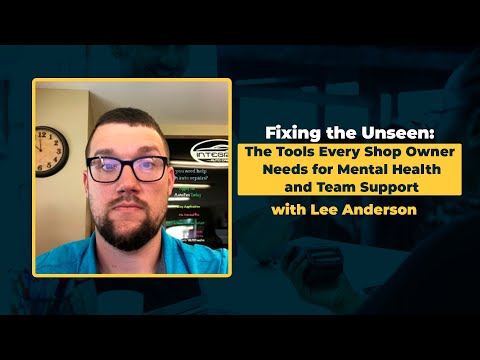
Lee returns to talk about mental health in Fixing the Unseen: The Tools Every Shop Owner Needs for Mental Health and Team Support. This episode also returned as a Maximum Octane throwback.
Frequently Asked Questions
What is the difference between open and closed adoption?
In a closed adoption, identifying information is generally not shared between the birth family and the adoptive family, and there is little or no contact after placement. In an open adoption, the families share some level of information and may stay in contact through letters, photos, calls, or visits. Many adoptions fall somewhere in between. The right arrangement depends on the needs and wishes of everyone involved, especially the child.
How can families avoid adoption scams?
Work with licensed adoption agencies and experienced attorneys, and verify their credentials with your state. Be cautious of anyone who asks for money outside the formal process, pressures you to act quickly, or avoids verification. Keep records of all communication and payments. Reputable professionals are transparent about fees, timelines, and legal requirements. If something feels wrong, pause and seek advice from a trusted professional before moving forward.
What are the main types of adoption in the United States?
The main paths are domestic infant adoption, often arranged through private agencies or attorneys; adoption from foster care, which involves children in the public child welfare system; and international adoption, which follows the laws of both the United States and the child’s country of origin. Each has different requirements, costs, and timelines. The Child Welfare Information Gateway offers reliable information on each option.
How can a small business support employees who are adopting?
Offer flexible scheduling for appointments, home studies, and court dates, and plan for short-notice leave when a placement happens. If you have a parental leave policy, make sure it includes adoptive parents. Cross-train team members so coverage is available when someone needs time away. Celebrate the adoption as you would any new addition to an employee’s family. Genuine care and flexibility make a lasting difference.
How long does the adoption process usually take?
Timelines vary widely depending on the type of adoption, the agency, state requirements, and the preferences of both the adoptive and birth families. Some placements happen relatively quickly, while others take years of waiting. Home studies and paperwork alone can take months. Families who prepare for uncertainty, stay organized, and lean on support networks tend to handle the wait with more patience and resilience.
Resources and Links From This Episode
Connect With the Guests
- Lee: LinkedIn